At Sir Bobby Robson School, we recognise that digital literacy is a vital life skill that supports learning, independence, and future employability. Our ICT curriculum is designed to be inclusive, engaging, and responsive to the needs of our pupils, many of whom have experienced disruption in their education. Through a structured and supportive approach, we aim to build confidence, resilience, and competence in using technology across all key stages.
We provide a progressive ICT curriculum from Year 4 to Year 11, carefully sequenced to develop foundational skills in Key Stage 2, broaden knowledge and application in Key Stage 3, and offer meaningful, accredited pathways in Key Stage 4.
Our ICT curriculum aims to:
- Develop pupils’ confidence and independence in using digital technology
- Equip pupils with essential digital skills for education, employment, and everyday life
- Promote safe, responsible, and respectful use of technology
- Support communication, creativity, and problem-solving
- Provide accessible learning opportunities tailored to SEMH needs
We recognise that many of our pupils benefit from practical, hands-on learning. ICT provides an opportunity for success, engagement, and self-expression within a structured, supportive environment.
Key Stage 2 (Years 4–6): iPad-Based ICT Curriculum
In KS2, pupils follow a dedicated iPad curriculum designed to develop core digital skills through engaging and accessible activities. The focus is on:
- Basic device skills (navigation, typing, saving and retrieving work)
- Creating digital content (presentations, images, videos)
- Introduction to coding through visual platforms
- Online safety and responsible use of technology
- Using apps to support communication and creativity
Learning is highly scaffolded, visual, and interactive, allowing pupils to build confidence and familiarity with technology in a supportive environment.
Key Stage 3 (Years 7–9): Broad ICT Curriculum
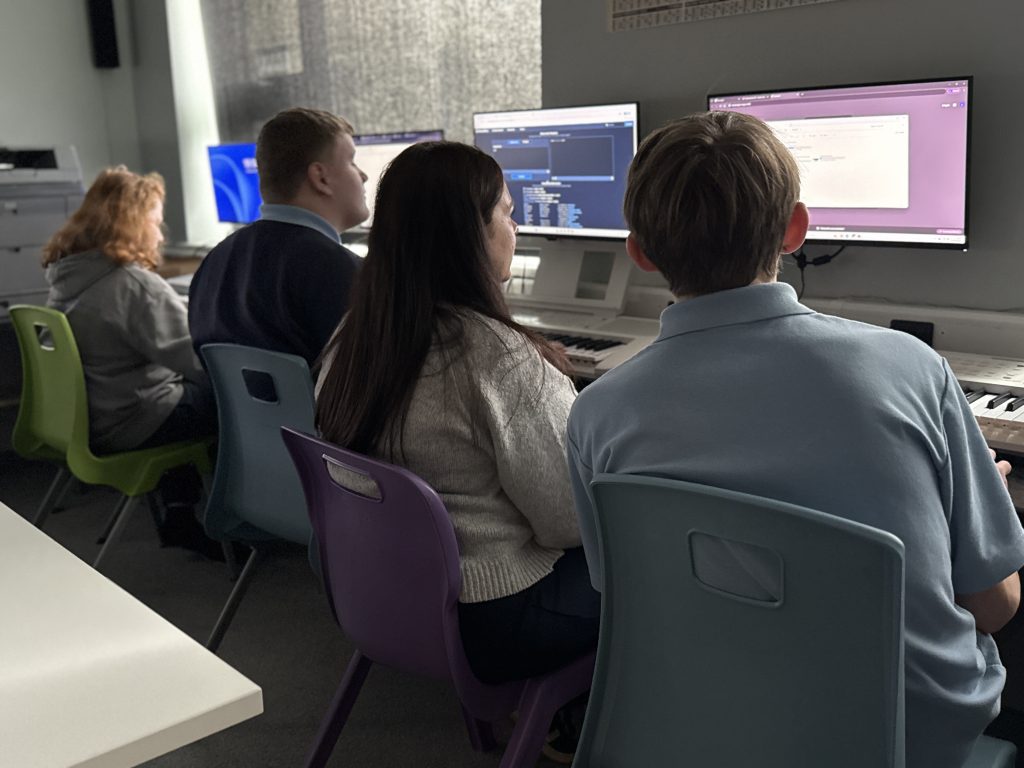
At KS3, pupils transition to a broader ICT curriculum, building on the foundations established in KS2. They will also have more access to our state-of-the-art Media Suite with powerful Windows-based desktop PCs. Learning becomes more structured and skill-based, covering:
- Microsoft Office and productivity tools (Word, PowerPoint, Excel)
- Internet research and digital literacy skills
- Introduction to computer systems and how technology works
- Digital creativity, including media and design projects
- Continued focus on online safety, digital footprints, and responsible use
The curriculum supports the development of transferable skills, preparing pupils for accreditation pathways in KS4.
Key Stage 4 (Years 10–11): Accredited Pathways
At KS4, pupils have the opportunity to follow accredited courses that support progression into further education, training, or employment. These include:
- BTEC Digital Functional Skills
- Focus on practical, real-world digital skills
- Supports independence and employability
- BTEC Level 1 Introductory Award in Information Technology
- Provides a foundation in key IT concepts
- Develops skills in areas such as digital communication, data handling, and project work
Courses are delivered in a structured and supportive manner, with a focus on achievable outcomes and building confidence.